What wine descriptions actually mean, as explained over a glass with Aunt Vivienne.
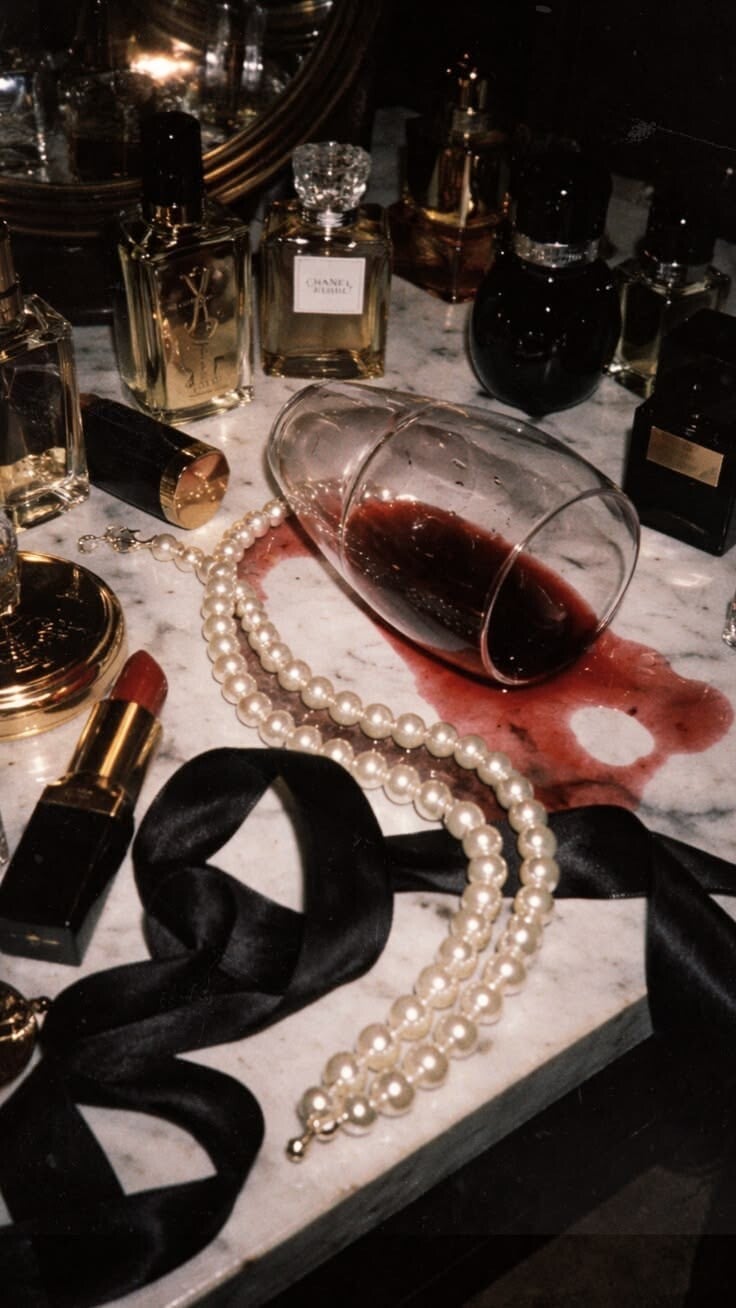
Every wine shop should employ one slightly drunk aunt.
Someone to stand behind the ledge while you turn a bottle around, read “full-bodied, with firm tannins and beautifully integrated oak,” and wonder whether you’re buying a drink or commissioning a kitchen.
Mine would be called Vivienne. She has married well, twice, and considers the first marriage a starter home. She has one adult son who is “in film,” by which she means she pays his rent in Los Angeles. Her calendar contains Pilates, lunch, and a standing appointment to discuss what Caroline did at the previous lunch.
Vivienne likes good wine. She also likes knowing what things cost. These are compatible interests, particularly when someone else is paying.
Between us, we should be able to find you a bottle. I’ll explain the vocabulary. She’ll ask the questions you were trying to be polite about.
The first label says “full-bodied.”
Body is the weight and fullness of a wine in your mouth. Think of the difference in feel between skimmed milk and whole milk, without expecting the wine to taste like either. Full-bodied means a more substantial mouthfeel; light-bodied means something lighter.
Vivienne understands this immediately. She owns both linen and velvet, and would never ask which fabric is objectively better.
“You wouldn’t wear velvet to lunch by the pool,” she says. “Unless you were Caroline and the pool belonged to someone’s husband.”
Look for “full-bodied” when you want a wine with more weight and fullness. If you prefer something lighter, that is equally useful information.
The next bottle promises “ripe peach, pear and vanilla.”
You ask whether it’s sweet.
A perfectly sensible question. Fruit aromas can suggest sweetness, but a wine can smell of ripe peaches and still taste dry. Those tasting notes describe what the wine reminds the writer of; they aren’t a list of ingredients added to it.
“No, darling, they haven’t put a pear in it,” says Vivienne. “At this price, we’d be entitled to the whole tree.”
Dry means little or no perceptible sweetness. If sweetness is what you’re trying to avoid, ask about that directly. “Fruity” won’t settle it.
Vivienne, incidentally, enjoys a good sweet wine. She objects to people declaring they don’t drink anything sweet while eating their third macaron.
“Just say you didn’t like the last one. You don’t need to address the nation.”
Now we reach “firm tannins.”
Tannins create that grippy, drying sensation you might recognise from strong black tea. Feel it around your gums. “Firm” suggests a noticeable grip; “silky” or “velvety” describes a smoother-feeling texture. This drying sensation is different from the absence of sweetness we mean when we call a wine dry.
Vivienne takes a sip “Yes. Like the smile I gave my son when he told me his short film needed another twenty thousand.”
She likes tannin when it fits the wine. She is less enthusiastic about a bottle that makes her mouth feel upholstered in suede. If you prefer gentler reds, ask for softer tannins. You don’t have to acquire a taste for discomfort simply because your wine friend has explained that the discomfort is prestigious.
The shop assistant might also suggest a white with “crisp acidity.”
Acidity brings tartness and makes your mouth water. “Crisp,” “zesty” and “fresh” are clues that you can expect that lively sensation. Think of what a squeeze of lemon does to food.
This is the sort of wine Vivienne might want with something rich at lunch. She likes a sip that refreshes her mouth between bites. She also likes lunch to last long enough that cancelling her afternoon plans seems unavoidable.
“I can’t possibly go to Pilates now,” she says, ordering the tart. “It would be disrespectful to the pastry chef.”
If you enjoy that bright, mouthwatering feeling, these are useful words to look for. If you prefer a softer impression, tell the person helping you. Nobody needs to inform your ancestors.
Then we find “oak-aged, with notes of vanilla and toast.”
Oak can contribute flavours such as vanilla, toast and spice. How obvious those flavours are depends on how it’s used; “oak-aged” alone doesn’t tell you how woody the wine will taste.
Vivienne likes a little oak. She has a great deal of it at home.
But there is a point at which she puts the glass down.
“I asked for a Chardonnay. Why am I licking the breakfast room?”
If you enjoy those flavours, say so. If you’d rather have the fruit take centre stage, ask for an unoaked wine or one with less obvious oak influence. Expensive barrels do not create an obligation to enjoy their contribution.
Vivienne would like that last sentence embroidered on a cushion. She knows several winemakers and enjoys making dinner uncomfortable.
Finally, the bottle promises a “long finish.”
The finish is what remains after you swallow or spit; “long” means the pleasant flavours persist. Notice what actually lingers, rather than counting a drying sensation or alcohol warmth as proof of a magnificent wine.
Vivienne approves of a flavour that stays interesting after the sip. She is less impressed by the phrase on a label without anything in the glass to support it.
“Caroline’s lunch had a long finish. We were still discussing the seating plan on Thursday.”
By now, you can read the original description with rather more confidence. A full-bodied red with firm tannins and oak influence will probably feel substantial, have a noticeable grip, and show some flavours from the oak. That tells you something about its style. It still hasn’t told you whether you’ll love it.
You may then turn the bottle around to check the price.
The expensive one has a paragraph about excellence. The more modest one sounds closer to what you actually enjoy. You reach for the expensive one anyway, because you’re bringing it to dinner and you like the way it looks.
“Who’s hosting?” she asks.
You tell her.
“Oh, buy the one you like. She serves everything in those dreadful coloured goblets. You could bring the crown jewels and she’d put a paper umbrella in them.”
This is why I want the vocabulary of a sommelier and the honesty of a drunk aunt. I want to understand what a bottle is offering, then decide whether I actually want it. Sometimes that means spending more on something wonderful. Sometimes it means putting a very convincing paragraph back on the shelf.
Vivienne will also probably pick the less expensive bottle, then notice another one she recognises and hand it over.
“Oh, this one is lovely. Get this.” she'll urge you.
“It’s twice the price.”
“Yes,” she'll say “I’ve had it. That’s different.”
You'd either come to the store often, or block her on social media. Either ways, you now know what the bottle entails. If you'd like to thank her, she considers pearls and bottles of Sancerre as excellent presents.
Happy hunting.
Add comment
Comments